


Over three decades ago, Dr. Francine Shapiro went for a walk carrying some distressing thoughts and feelings. As she navigated the terrain, eyes moving back and forth to ensure her footing, she noticed her distressing thoughts and feelings began to diminish.

Curious, Shapiro took this observation and began using techniques for “bilateral stimulation” - that is, sights, sounds, or sensations alternating side-to-side - to see if this would reduce distressing emotions in others. She found repeated success in reducing distress.
Fast-forward three decades and we now have myriads of peer-reviewed research demonstrating that Shapiro’s walk led her to stumble upon something transformative. Her work would develop and spread what is known now as Eye Movement Desensitization and Reprocessing (EMDR). This is one of the leading treatments for traumatic stress, but it also holds wisdom for all of us whether we carry the weight of traumatic stress or not. So how does it work? Let’s take a look at just a couple recent studies briefly, and then talk about how to leverage this understanding to better our daily wellness.
The Science
In 2020, a study1 had 38 normal adults conditioned to fear a particular sound. They would play the sound and simultaneously deliver a safe but uncomfortable shock to the participants (participants were informed prior to this experience of what they were signing up for).
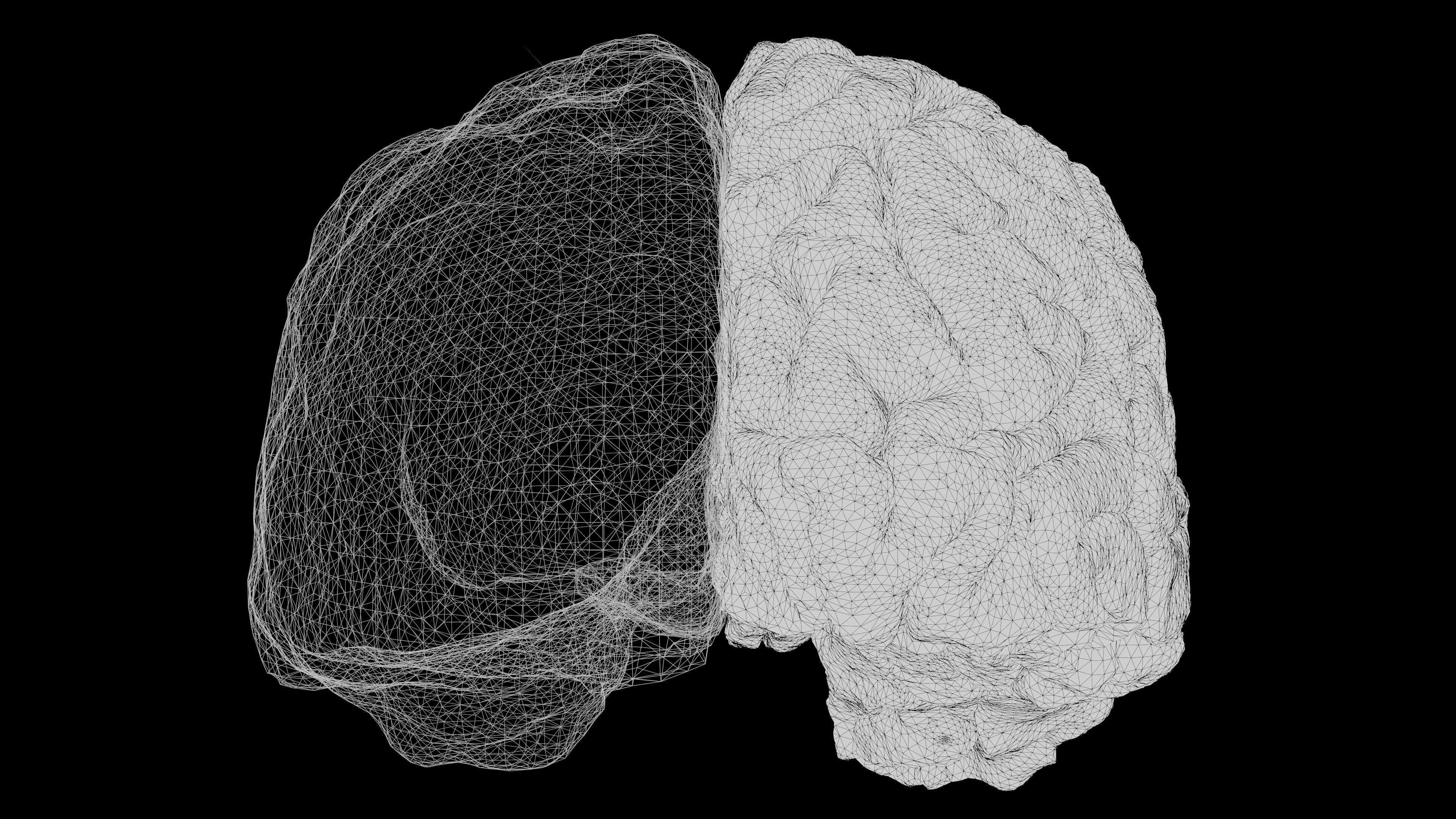
After some time, the shock was taken away but the sounds continued. Using functional magnetic resonance imaging (f-MRI) they observed the amygdala, the alarm-center of the brain that triggers your fight-or-flight response, continued to light up anytime the sound was played even though the shock had been removed. Then, some of the adults received bilateral stimulation via alternating noises on either side of their head. They found this group had a significant decrease in fear as evidenced by reduction in amygdala activity in addition to reduction in skin conductance response (measured sweat response). The bilateral stimulation reduced distress.
In 2021, a meta-analysis2 (systematic combination of studies) found that bilateral stimulation decreased the hyper-connectivity between the amygdala and hippocampus. This connection is associated with distressing emotions. The study found that bilateral stimulation shifted activation to the ventromedial prefrontal cortex - the more thoughtful and wise part of the brain. This confirmed that bilateral stimulation assists in calming your fight-or-flight response and bringing online the part of your brain that can make sense of what you’re experiencing, and remind you that you will be okay.
Putting the Science into Practice
So, how can we use this understanding to continue FlyingWell? Go back to where it all started and take a cue from Dr. Shapiro - let’s get out for a walk!
When I get out of my hotel room and find a path, trail, or street to walk down my brain is forced to process a lot of alternating information on either side of me - sights, sounds, and sensations - as I navigate my way. What these studies and many others show, is that the alternating stimulation that comes from getting out for a walk will reduce the fight-or-flight response in my brain and body, and bring online the wise part of my brain to reprocess any stress or distressing thoughts I’m carrying.
Will a walk cure me of all my problems? No, of course not. But, there is a significant amount of peer-reviewed research demonstrating that a walk will take me down a level from that fight-or-flight response, reduce my stress level, improve my functioning, and this will in turn assist with me getting a good night’s rest. And, it may just give me some well-needed clarity I would never have found had I stayed in my room binging a Netflix show or doom-scrolling social media.
Make a Plan
It’s time to put this into practice! Today. Now. Make a plan now to get out for a short walk on your next overnight. Find a trail near your hotel or wander a city by foot. Even if it’s 10 minutes in a business park in the middle of nowhere, your brain and body will thank you that you got some bilateral stimulation as you walked outside.
I’m here with you, working hard daily to fight against the stress and challenges of life in this unique career. One step at a time, let’s keep building a better life.
Let me know if you notice a change! I’d love to hear from you.
You can also follow us on Instagram @flyingwell_org and our LinkedIn page and connect with us there as well.
Until next time, keep FlyingWell!
Jason
__
Jason Pogue, ATP, MA in Counseling
Current Airline Captain, Former Mental Health Counselor
Rousseau, P. F., El Khoury-Malhame, M., Reynaud, E., Zendjidjian, X., Samuelian, J. C., & Khalfa, S. (2020). Neural correlates of bilateral stimulation during fear extinction: An fMRI study. Neuropsychologia, 139, 107364.
Servan-Schreiber, D., Schooler, J., Dew, M. A., Carter, C., & Bartone, P. (2021). Eye movement desensitization and reprocessing for PTSD: A meta-analysis of neural mechanisms using fMRI. Journal of Traumatic Stress, 34(3), 567–578.